

Index
Editorial Disclosure
Information based on official specs. The author has not had physical access to the product for this report.
Information based on official specs. The author has not had physical access to the product for this report.
Sameer Samat, president of the Android ecosystem at Google, shut down with a single tweet the rumor that had been stirring up the Pixel community for a week: the Liquid Glass language Apple introduced with iOS 26 is not coming to the Pixel operating system. The clarification answers the main question, though it leaves two others open — what is really happening with Android 17 and what the rest of the Android ecosystem is doing in the meantime.
The rumor started with a 15-second teaser for The Android Show: I/O Edition on May 12. In the clip, the bugdroid pulls a switch and becomes translucent, almost glassy. The community read it as a preview of a Liquid Glass-style UI for Android 17, and Pixel mockups with that aesthetic began circulating. Samat replied directly on X: "Not happening, you're all crazy." Mishaal Rahman, also from Google, echoed the message hours later. The Android Show on May 12 will clarify the rest.
The denial makes sense when you look at the direction Google has been taking. Material 3 Expressive, launched in 2025 with Android 16, prioritizes springy animations, dynamic color, and strong visual hierarchy — all backed by Google internal data claiming users identified key elements up to four times faster. Liquid Glass goes in the opposite direction: translucency, refraction, and simulated depth on every surface. These are different UI philosophies, not variations of the same approach.
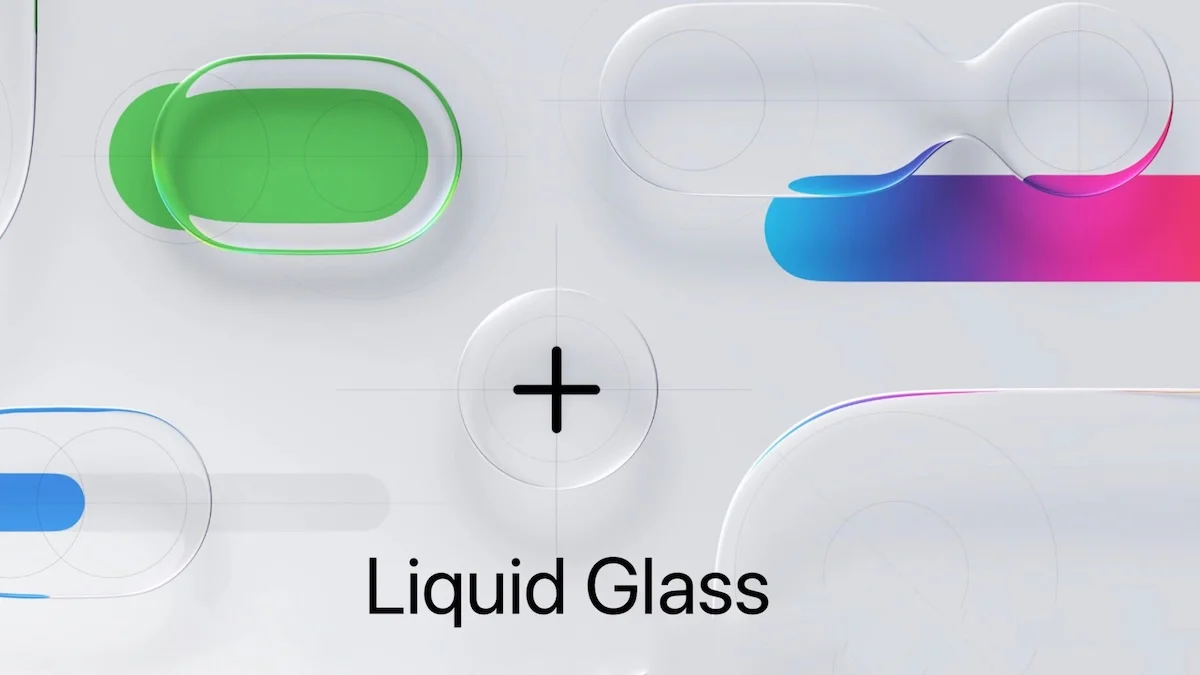
Here is the asterisk. January 2026 leaks published by 9to5Google and TechSpot showed that Android 17 will indeed add more blur to components such as the volume bar, the power menu, and the Quick Settings panel. For Samat, blur does not equal Liquid Glass: Apple’s language is much more than translucency. The line is thin, but it exists.
Samat’s "not happening" applies to the operating system that runs on Pixel devices, not to the rest of the brands that use Android. Samsung confirmed One UI 8.5 — which will debut with the Galaxy S26 lineup — with floating navigation panels, transparency in Settings, Gallery, and Calculator, and 3D icons that outlets like 9to5Google directly attribute to the influence of iOS 26. OnePlus, in OxygenOS 16, was criticized by Android Authority for adopting visual elements that look copied straight from the iPhone. Oppo ColorOS and Xiaomi have long embraced glass-like aesthetics. The practical consequence is that today’s "Android" experience depends more on the manufacturer than on the operating system itself.
Pixel is moving away from the iPhone just as Samsung, OnePlus, Oppo, and Xiaomi are moving closer. The differentiation between Google’s pure Android and the rest of the ecosystem has never been so pronounced — and for anyone who values platform identity, that is good news. The Android Show on May 12 will define whether Google really keeps its word on "not happening" or whether Android 17 ultimately blurs the boundary.
No comments yet. Be the first!


