Leaked foldable iPhone Ultra price: start saving, because it’s set to break records
Apple is delaying the iPhone 18 to go all in on the foldable iPhone Ultra. Self-healing display, 2TB of storage, and a price that tops $2,000.
10 April 2026
Index
Huawei is moving up the 2026 foldables calendar. The Huawei Pura X Max, officially launching on April 20 in China, debuts a format that Samsung and Apple plan to copy later in the year: the wide foldable book-style design, wider than it is tall, with an inner display that feels more like a tablet than a smartphone. Pre-orders are already open on VMall. The chipset, resolution, and battery still need confirmation, but the design, colors, date, and AI stylus are official.
Imagen: Huawei.
What the Huawei Pura X Max is (and why it breaks from traditional book-style foldables)
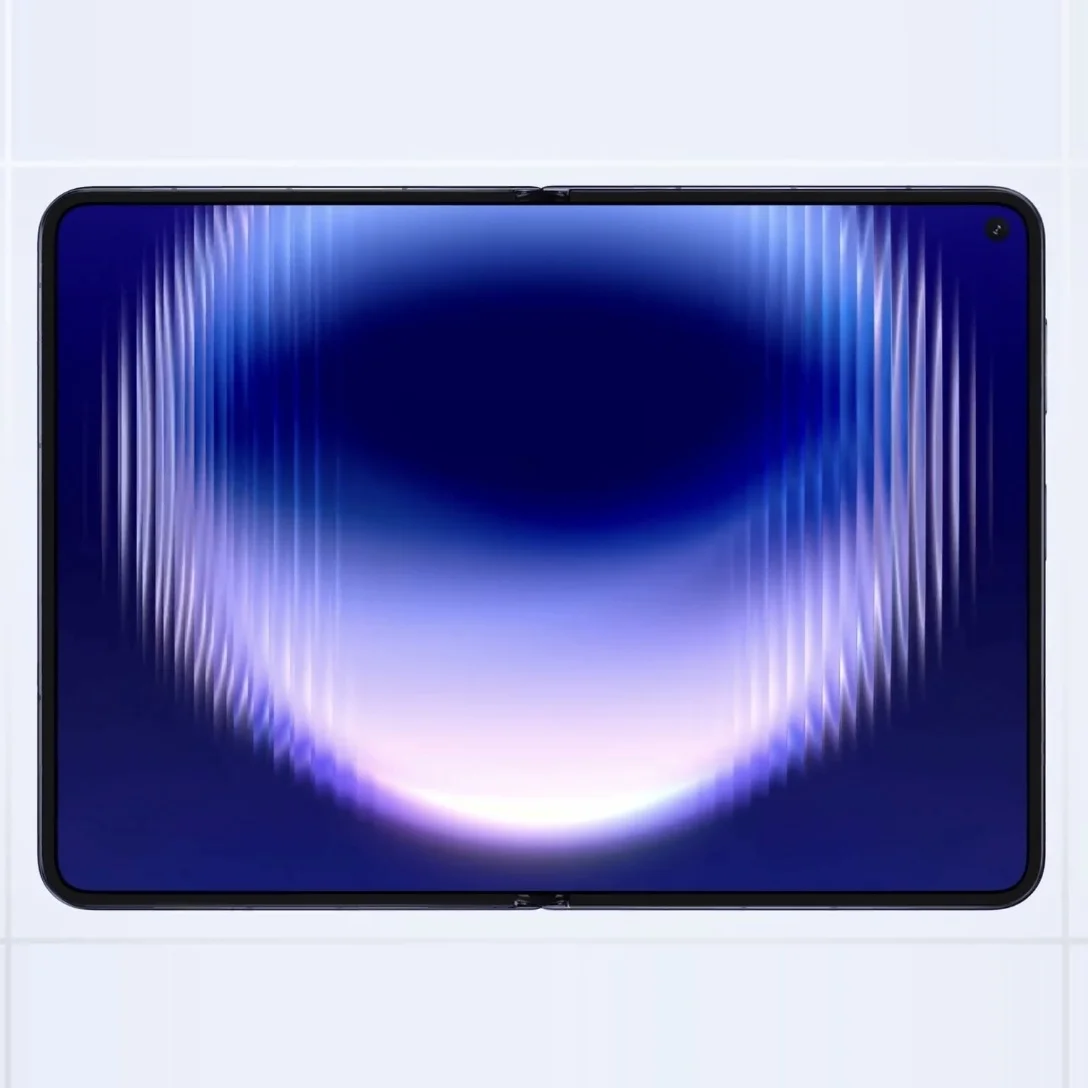
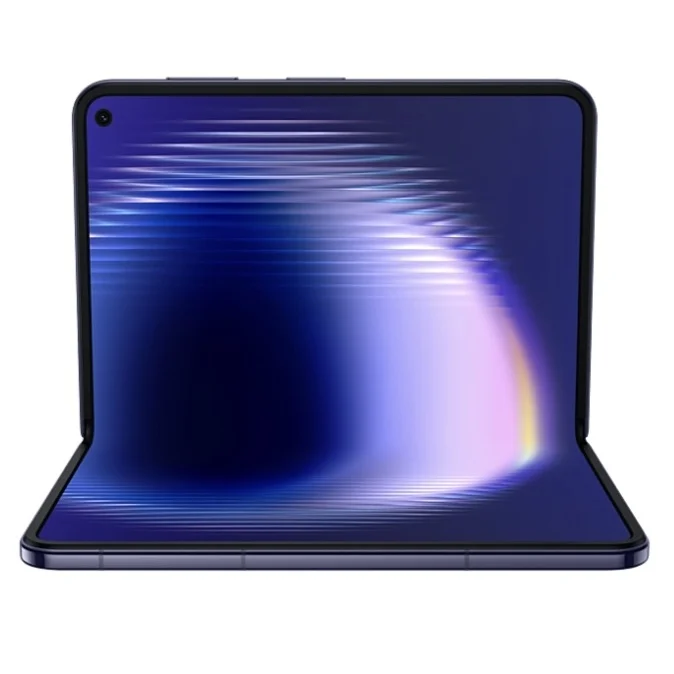
The Pura X Max is the first passport-style foldable to reach the mass market. Unlike the Galaxy Z Fold 7 — tall, narrow, and built around vertical use — the Pura X Max folds along its long axis: when you open it, you get a nearly square display in landscape format, closer to an iPad mini than to a book.
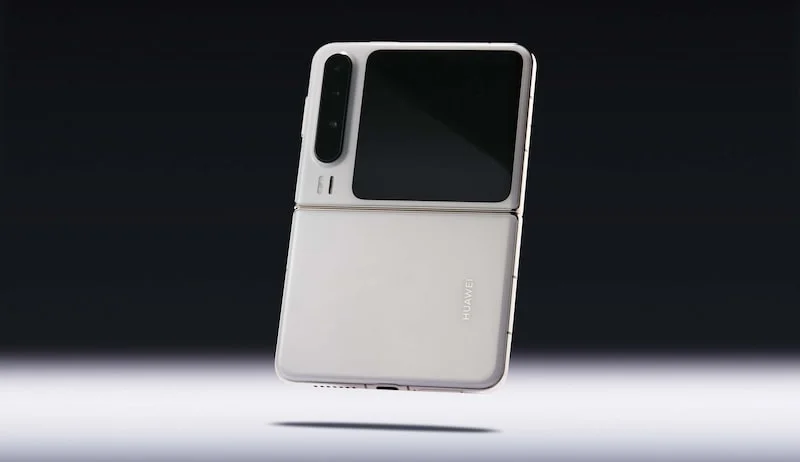
This path did not start today. The original Pura X (March 2025) had already tested this approach in a clamshell size, with a 6.3″ inner display in a 16:10 aspect ratio. The Max scales the concept into something that behaves like a compact tablet when unfolded, with the same “wider than tall” philosophy but in a book-style format.
The launch date was confirmed through Huawei’s official Weibo account, alongside the parallel announcement of the Pura 90 Pro series. Pre-orders are already open on VMall, the official Chinese store.
Design and configurations
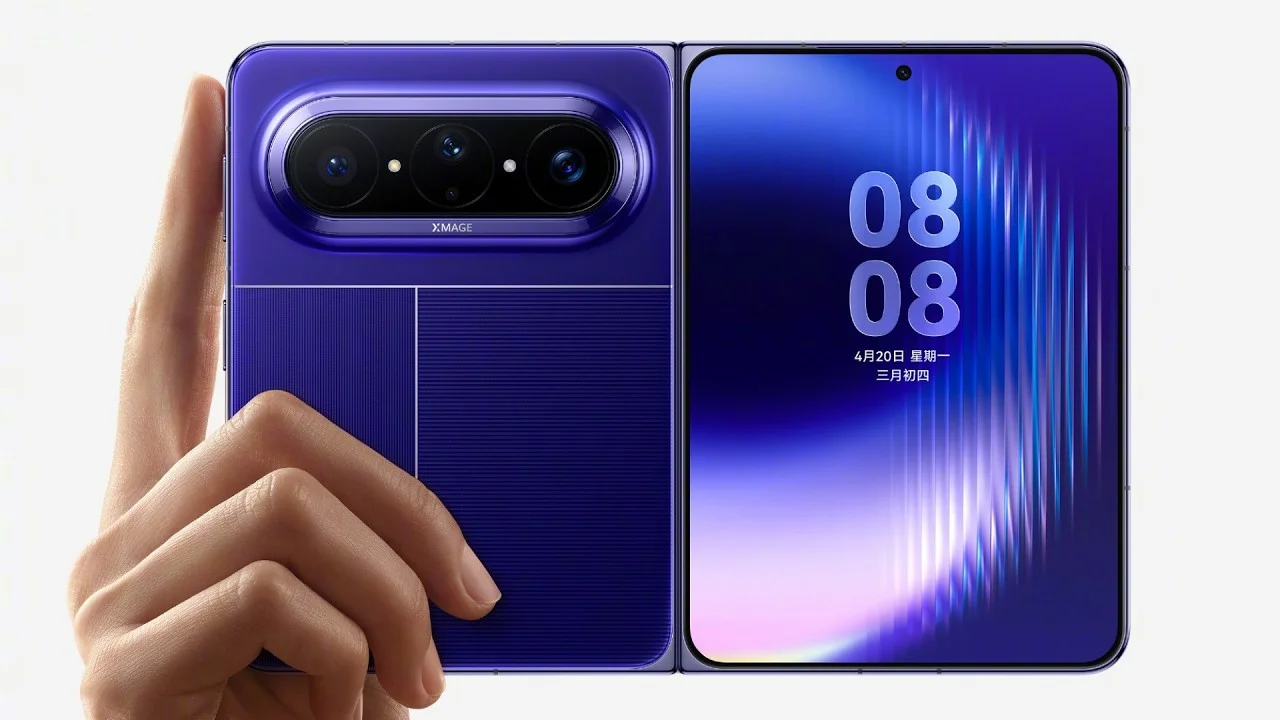
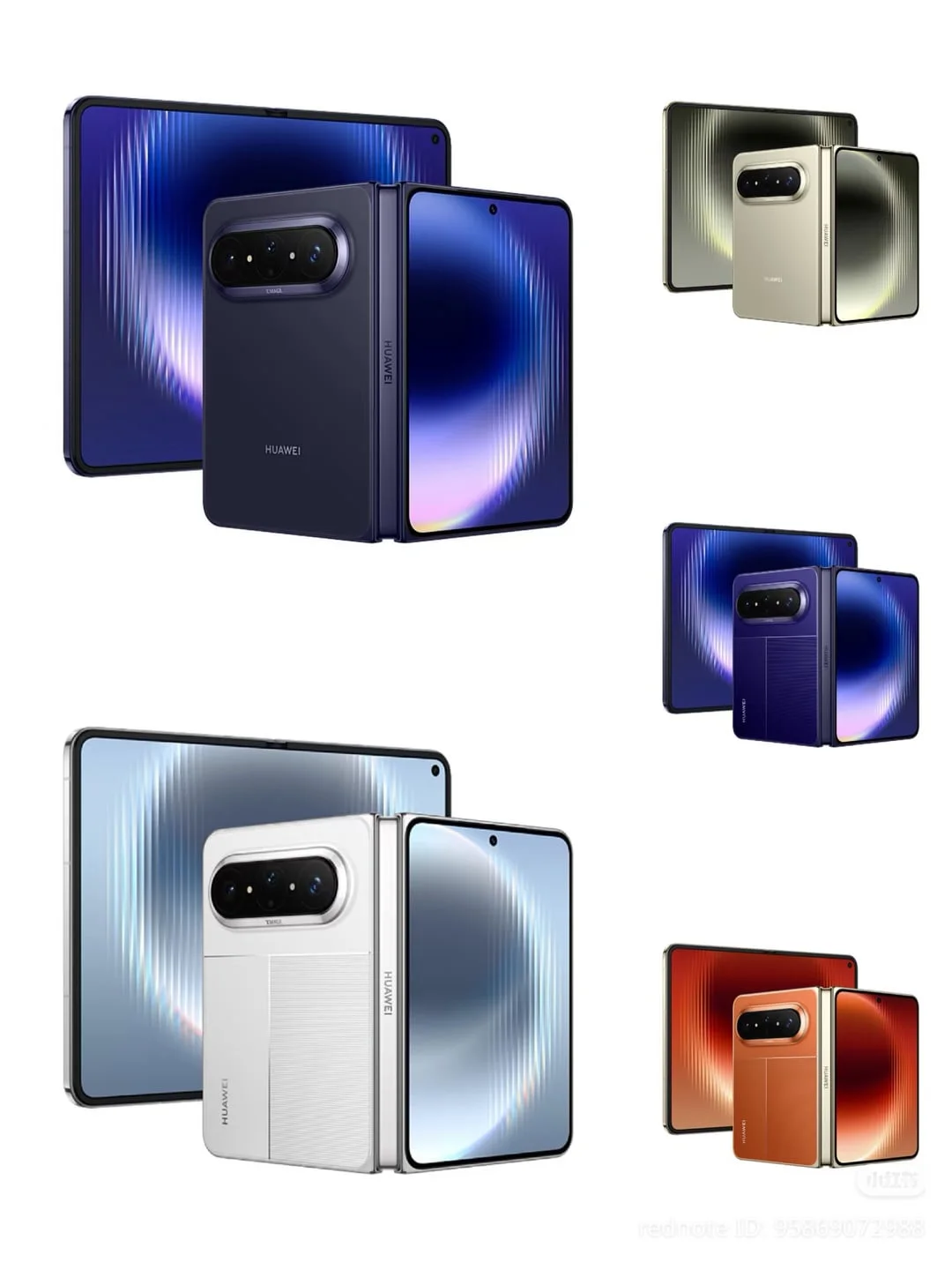
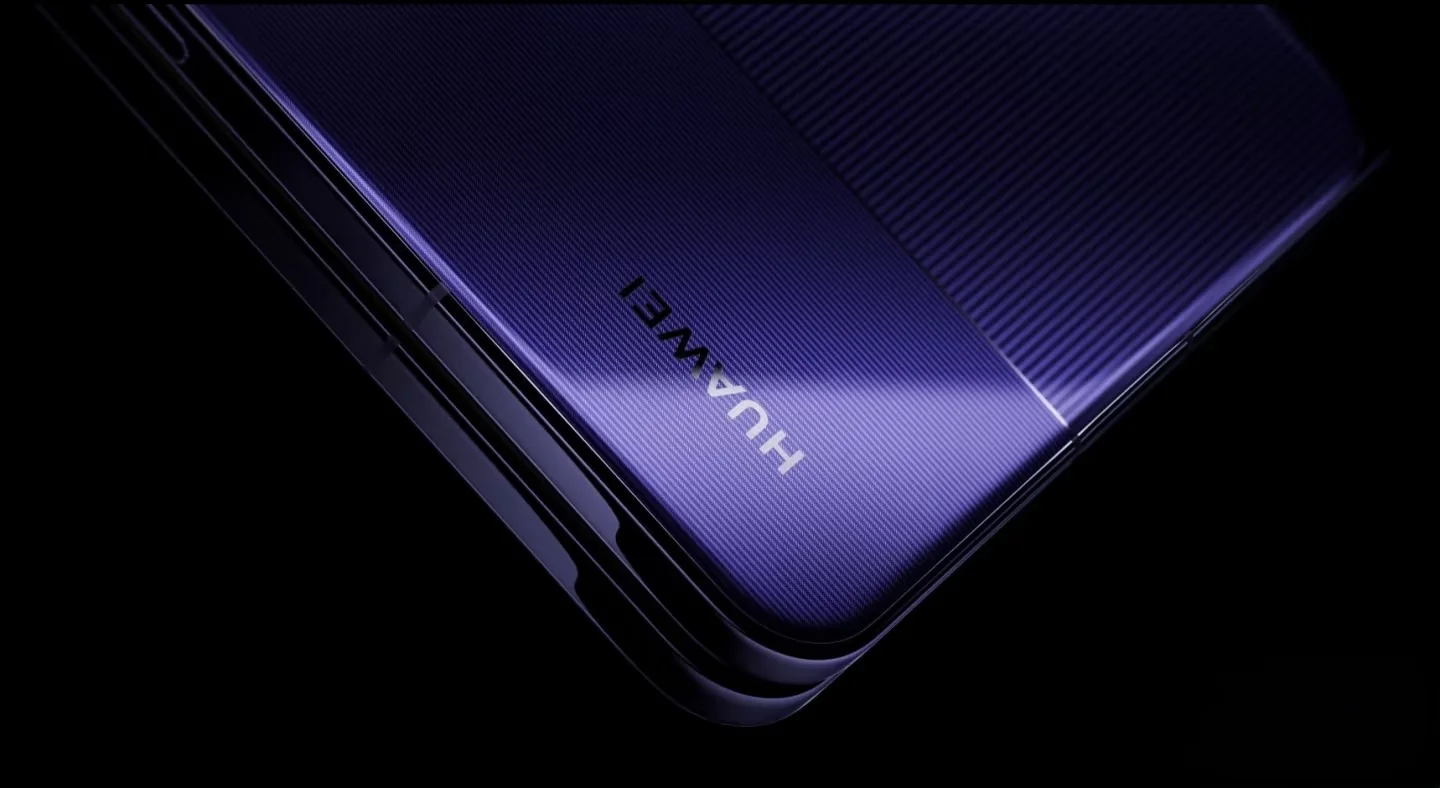
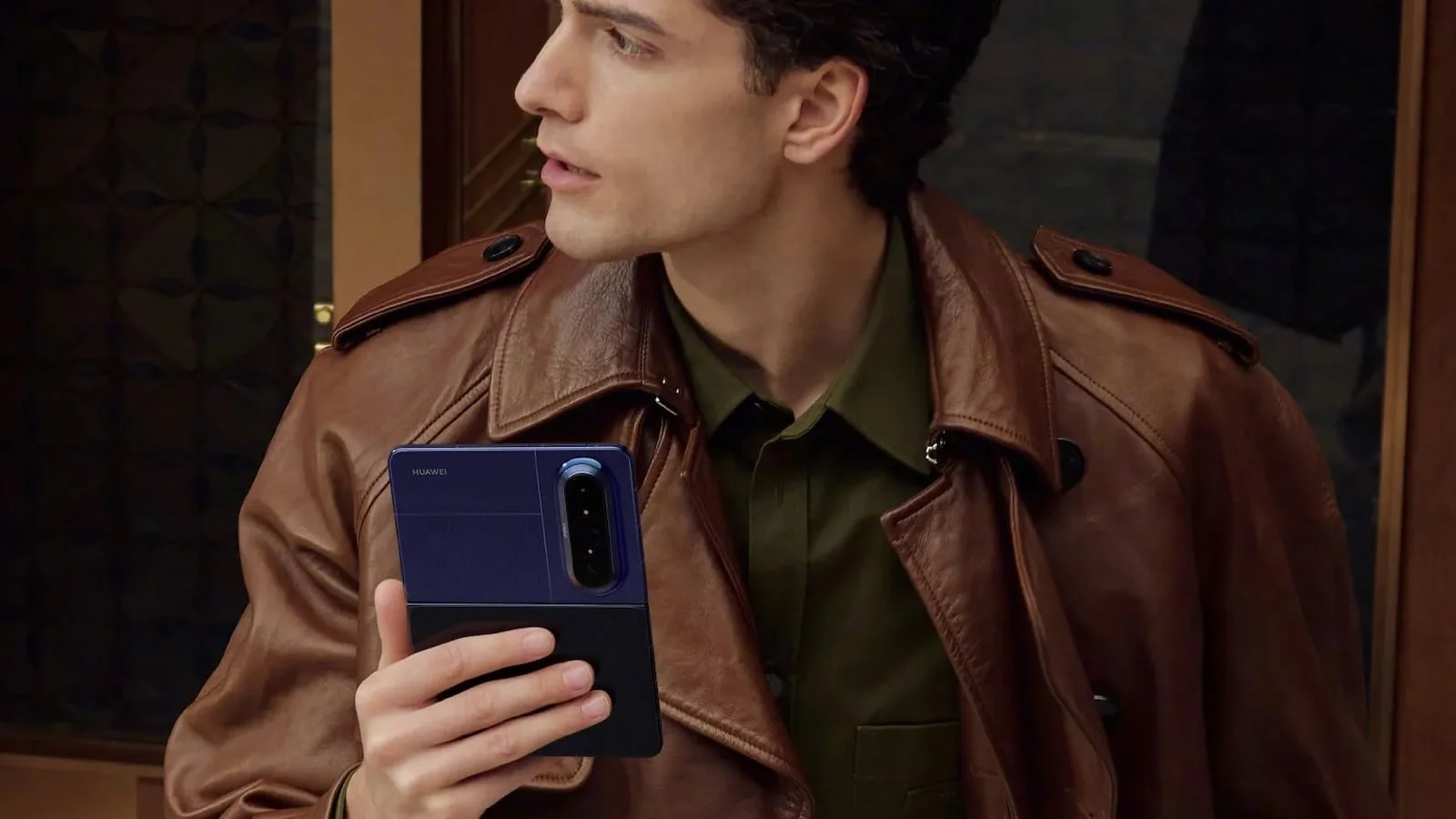
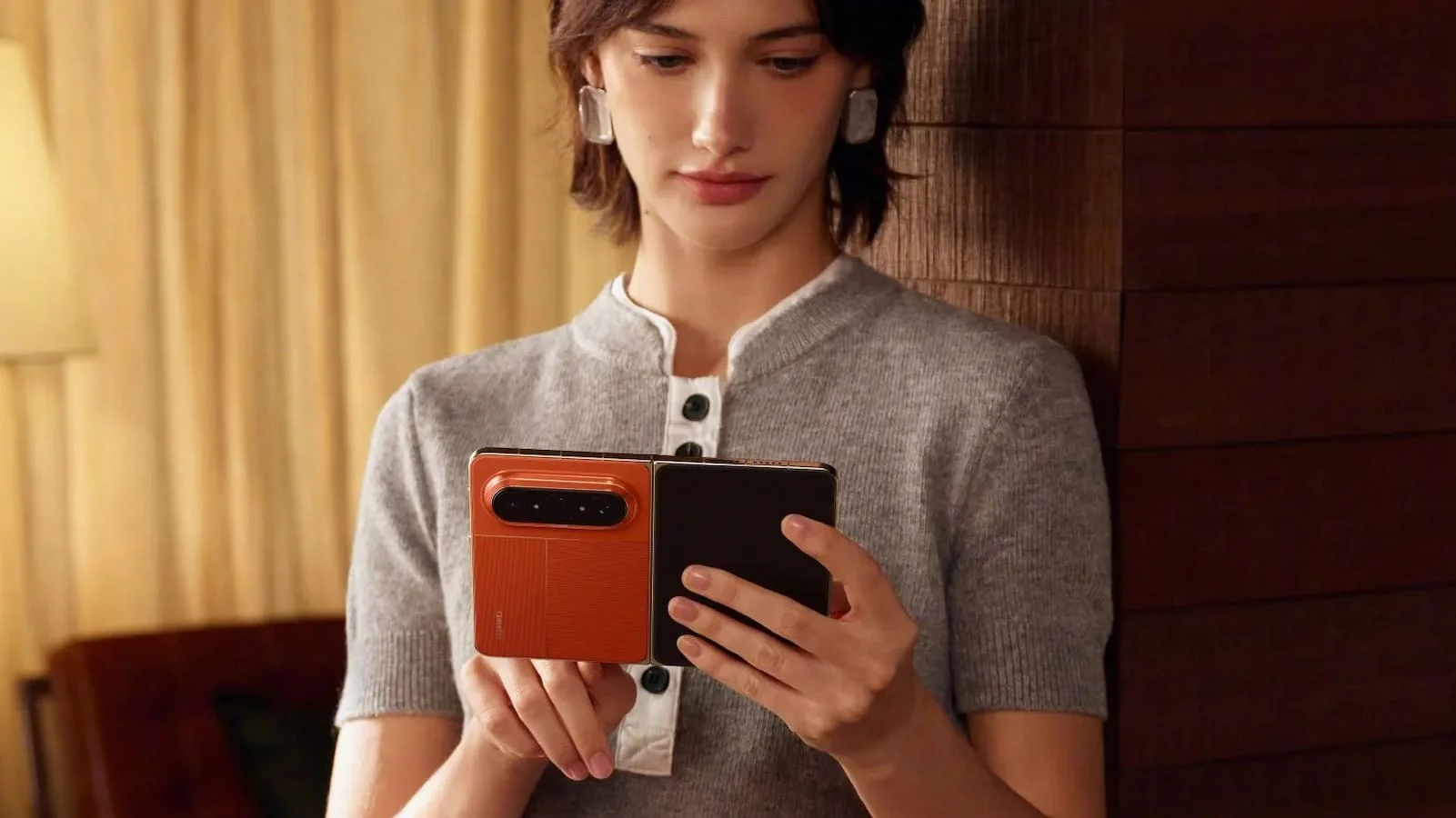
Five official colors: Zero White, Phantom Black, Interstellar Blue, Olive Gold, and Vibrant Orange. The rear panel has a three-part split — two sections with vertical texture and one smooth section with the Huawei logo over the hinge — breaking away from the uniform back panels used by the rest of the industry.
Huawei Pura X Max
Primer wide foldable book-style del mercado masivo, próximo a lanzar el 20 de abril de 2026 en China. Precio estimado de fuente (BigGo Finance / tipsters chinos): más de 10.000 yuan, aproximadamente 1.465 USD.
Pixel Fold 2, Watch 4, and Buds 2a: Google's next ecosystem
Everything about the refresh of the Google ecosystem: a slimmer Pixel Fold 2 with Tensor G4, Pixel Watch 4 with 3,000 nits of brightness, and the new Buds 2a.
Vivo X300 Ultra: the most ambitious camera phone of 2026 goes global with interchangeable ZEISS lenses
Vivo launches the X300 Ultra globally with triple ZEISS prime lenses, a 400mm teleconverter, and 4K 120fps video across all three cameras. Full review.
Googlebook: what’s confirmed, what leaked, and what Google held back from the announcement
Google announced Googlebook on May 12: a new premium category with five manufacturers and OS Aluminium, but no official specs or pricing. What it confirmed, what leaked, and what’s still missing.
24 May 2026
Imagen: Huawei (teaser oficial).
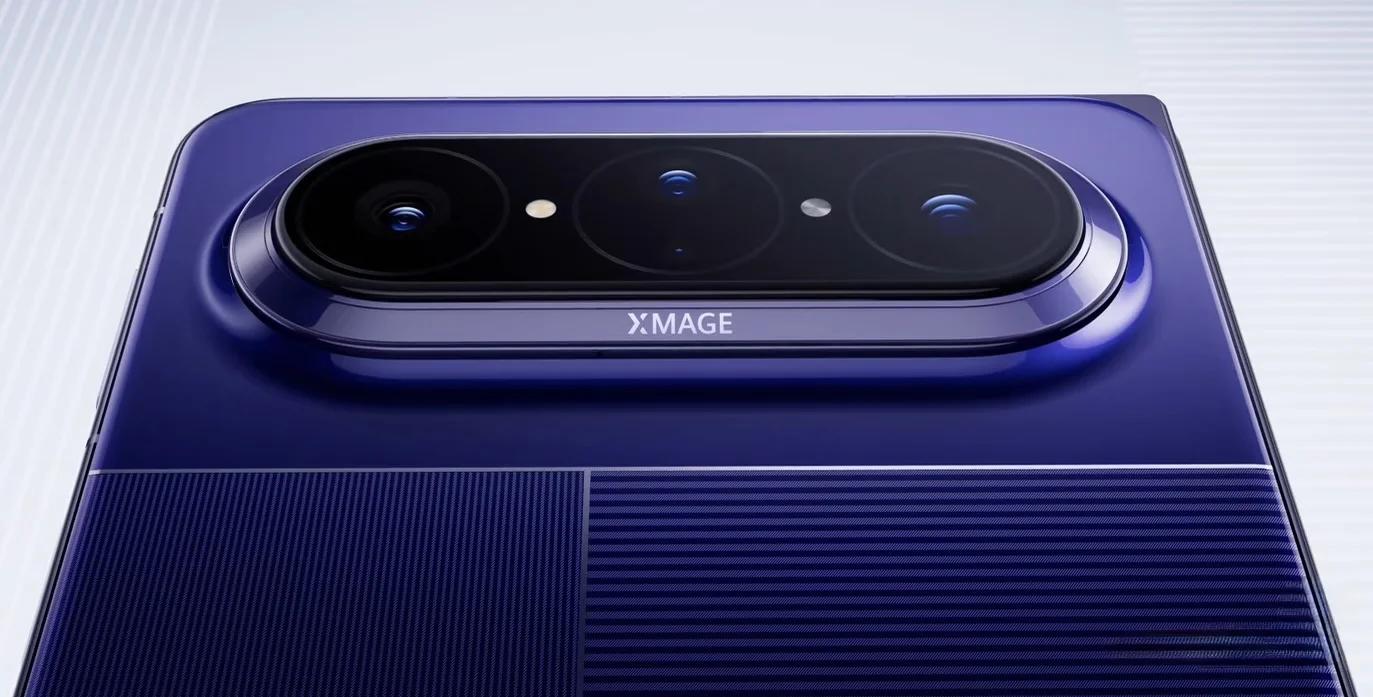
The camera module is horizontal and occupies the upper quarter of the cover, with three sensors plus two LED flashes and XMAGE branding at the base. The design language is clearly that of the Pura family.
Imagen: Huawei (renders oficiales VMall).
Official configurations, according to the VMall listing: 12 GB RAM / 256 GB, 12 / 512, 16 / 512 (Collector’s Edition), and 16 GB / 1 TB. No microSD card support.
Imagen: Huawei (teaser oficial).
Displays and rumored specs
Here is where we move into what Huawei has not officially confirmed yet, but Digital Chat Station and Fixed Focus Digital — two sources with strong track records in the Chinese supply chain — have leaked:
7.69″ inner display in a 16:10 aspect ratio with WQHD+ resolution
5.5″ outer display
Kirin 9030 chipset (the same one expected to debut with the Pura 90 Pro series)
Battery estimated at ~6000 mAh, possibly using Silicon-Carbon technology
HarmonyOS 6.1 out of the box
Minimal crease according to official renders — we will have to see it in hand
The 16:10 format is an important difference from what is rumored for Samsung and Apple (4:3): closer to a horizontal iPad mini than to a square book. For video consumption, reading, and vertical multitasking, 16:10 feels more natural.
Imagen: Huawei.
Imagen: Huawei.
AI stylus: the bet Samsung left behind
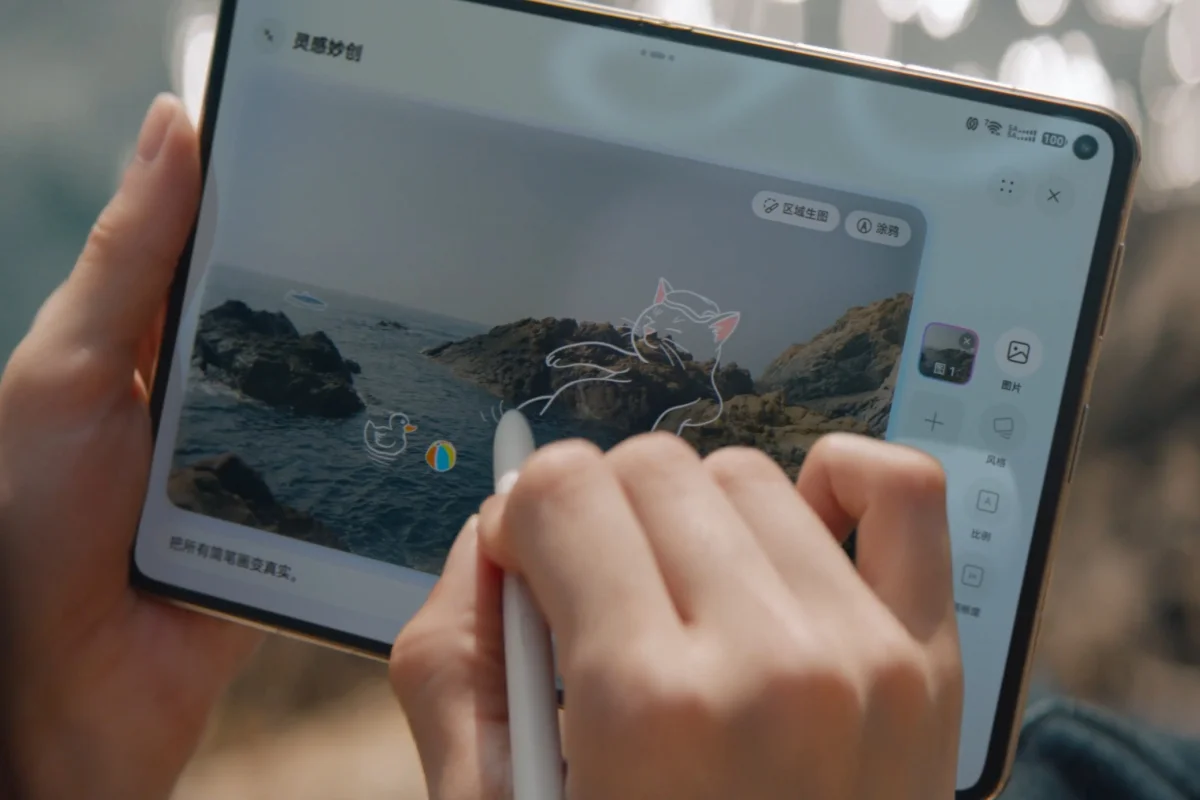
There is an interesting tension between philosophies. Samsung removed the digitizer from the Galaxy Z Fold 7 to make the device thinner. Huawei is making the opposite move: it reintroduces M-Pencil support on the Pura X Max, with He Gang (CEO of the Consumer Business Group) confirming it last week in a promotional video.
Imagen: Huawei.
The official demos focus on two apps. Born to Draw (灵感妙创) includes an “Inspiration Creation” tool that turns doodles or text prompts into stylized illustrations. GoPaint has been updated with animations and generative AI styling tools. Huawei also confirmed AI eye-tracking page-turning, which detects when your eyes reach the bottom edge of the page and automatically advances.
There is a message in all of this: if you are going to carry a 7.7″ foldable, what justifies the screen is not video, but creative and productive workflows. The stylus makes the internal tablet useful beyond consumption. It is the same logic Samsung abandoned and now — based on Fold 8 rumors — seems to want back.
The wide foldable war: Huawei gets there first, but the tsunami is coming
2026 is the year the industry converges. The “tall and narrow” book-style format Samsung established with the original Fold was the default; everyone copied that shape. That consensus breaks this year, and three players are targeting the same format on different timelines:
Manufacturer
Model
Launch
Inner display
Aspect ratio
Cover
Huawei
Pura X Max
April 20, 2026
~7.69″
16:10
~5.5″
Samsung
Galaxy Z Fold 8 Wide
July 2026 (estimated)
~7.6″
~4:3
~5.4″
Apple
iPhone Fold
September – December 2026 (disputed)
~7.76″
~4:3
~5.3–5.5″
The race matters for several reasons.
Timing. Huawei arrives almost three months before Samsung and up to eight months before Apple. For the Chinese market — where Huawei is dominant — that is half a season won. Globally, it does not compete directly (HarmonyOS without Google Services, limited distribution outside China), but the symbolic effect is real: it sets the narrative that the future of foldables is horizontal.
Imagen: Huawei.
Technical convergence. Three companies are betting on the same format after years of different iterations. That is not a coincidence: tall and narrow foldables always had a usability problem — the outer display is too skinny to use comfortably, and the inner screen ends up feeling like an awkward vertical book. The wide format solves both issues. Apple, which often defines categories by arriving late and getting the execution right, is validating the approach Oppo and Huawei explored first.
Imagen: Huawei.
The race to eliminate the crease. Samsung Display showed a visible-crease-free OLED panel at CES 2026, and that same panel is expected to be used by Apple in the iPhone Fold. Huawei has not made specific claims about the Pura X Max crease — the official renders show it as minimal, but renders are renders.
What this model still does not solve is international distribution. Officially, the Pura X Max is not leaving China. HarmonyOS 6.1 does not run Android apps natively and does not include Google services. For LATAM, it is fundamentally inaccessible unless imported blind — and with no official support network, it is not something I would recommend jumping into.
Conclusion
Huawei beats Samsung and Apple on timing and conviction. The Pura X Max is not an experiment — it is the third generation of the wide format applied at different scales (Mate X series, Pura X clamshell, and now Max passport). When Samsung and Apple arrive, they will be competing against a product that already has six months of real market presence and user feedback.
Imagen: Huawei (Pura X original, 2025).
The AI stylus is the most interesting philosophical bet: the large screen as a workspace, not a consumption surface. If it works, Samsung will have to respond — and the S Pen rumors around the Galaxy Z Fold 8 suggest it is already watching.
What remains to be defined will be resolved on April 20: confirmed chipset and battery, final pricing for each configuration, and first hands-on impressions around crease and durability. Until then, this is the most important foldable we are going to see this year.