Apple Glasses: four designs, acetate, and Apple's bet to counter Meta in 2027

Index
Mark Gurman pulled the thread again. In his April 12 Power On, the Bloomberg journalist confirmed that Apple has four smart glasses designs in testing, all made of acetate, with a timeline aimed at late 2026 or early 2027 for the announcement, with public sale in 2027. A week later, Apple confirmed that Tim Cook is stepping down as CEO on September 1, 2026, and that John Ternus—head of hardware engineering—will take over as CEO. The two announcements are no coincidence. Apple is late to a category that Meta has already normalized and needs a product under the new CEO that doesn't feel defensive.
What the Apple Glasses are (and definitely are not)
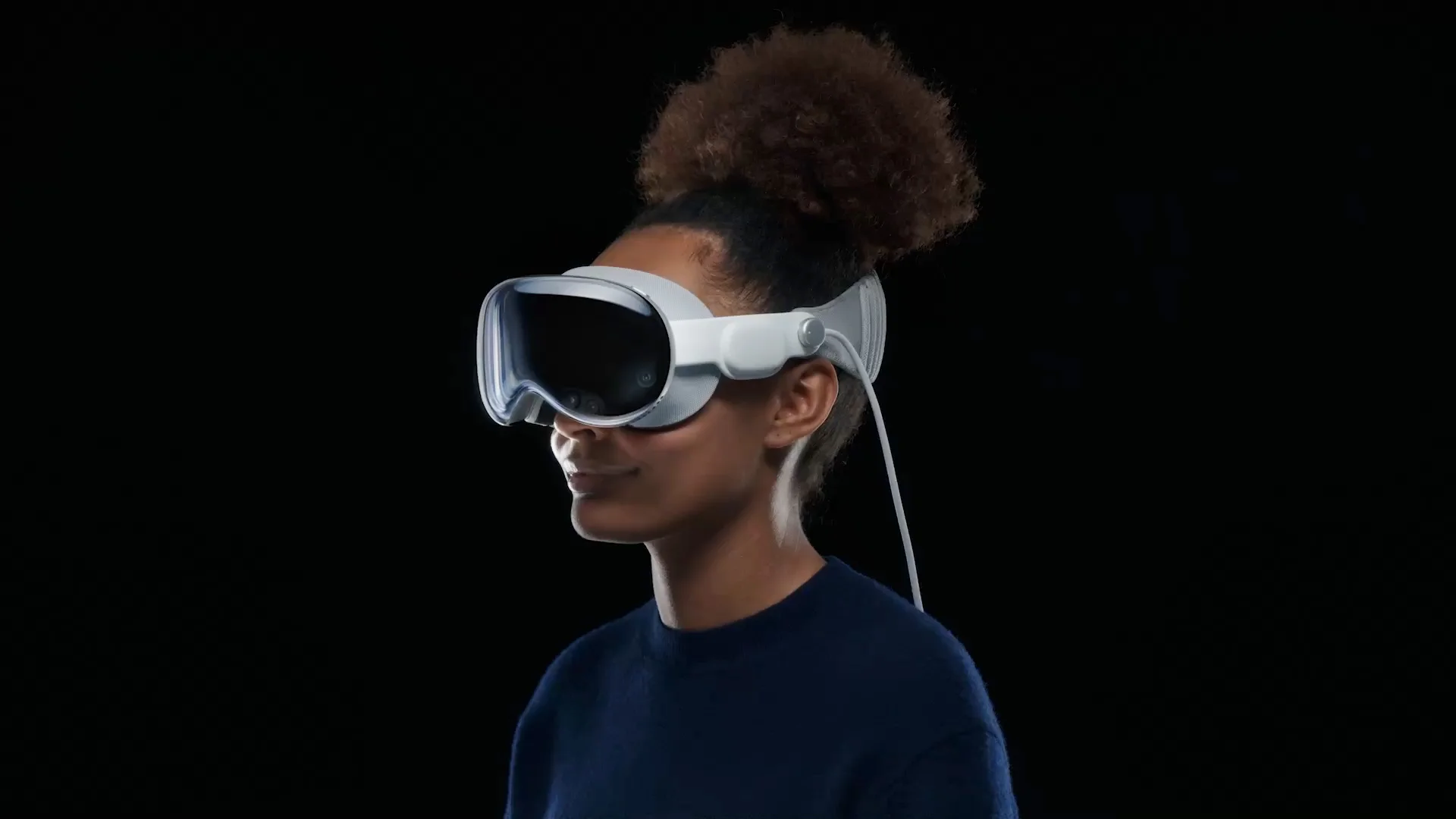
First things first: they are not the Vision Pro. They are also not AR. They have no display and do not project anything on the lenses. They are regular glasses with cameras, microphones, open-ear speakers, and sensors designed to function as an accessory to the iPhone. All the intelligence resides in the phone; the glasses are the sensor.
The commercial name is not yet confirmed. The press calls them "Apple Glasses" or "Apple smart glasses"; the internet has dragged "Apple Glass" since Jon Prosser's leaks in 2020, but Apple never registered it. The internal codename is N50, renamed N401 according to Ming-Chi Kuo.
Apple continues to work on AR glasses with an integrated display, but that second generation won't enter production until 2028. The first batch is deliberately simpler. It's the opposite bet to the Vision Pro: instead of a standalone USD 3,500 device that replaces the monitor, a lightweight accessory that mounts on top of the iPhone you already have.
Four styles and the acetate bet
Gurman describes four frames in testing. Two rectangular—one large Wayfarer type, one slim metallic similar to what Tim Cook wears in public—and two oval shapes, one large and one small. Apple plans to launch several at the same time, rather than betting on a single model. Colors under evaluation: black, ocean blue, and light brown.
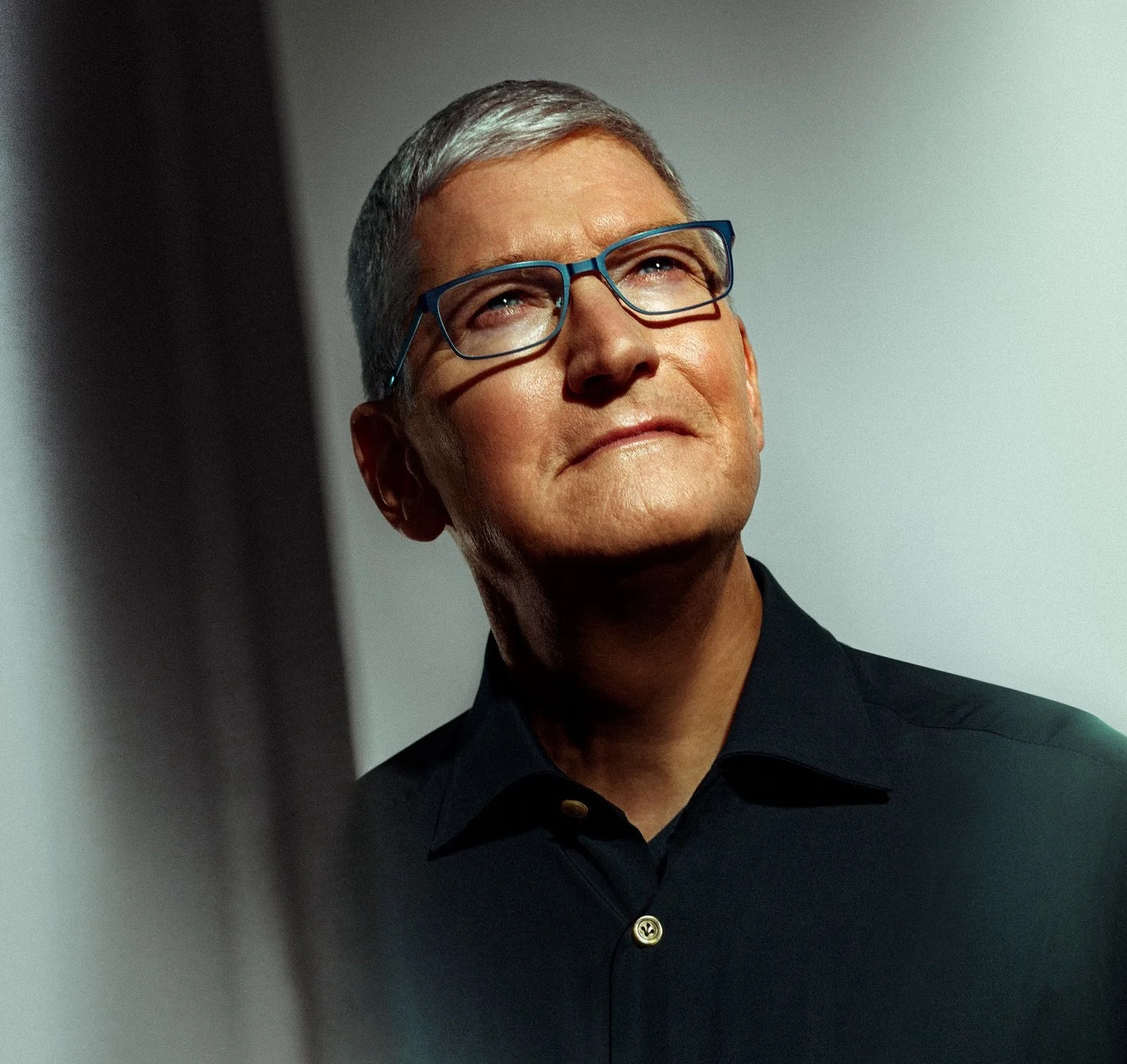
The frame material is the most interesting decision. Acetate, not injected plastic. The premium eyewear industry—Persol, Oliver Peoples, the high lines of Ray-Ban—has used acetate for decades because it better retains color, can be polished when scratched, and ages with a finish that ABS plastic cannot achieve. The downside: it's heavier and more expensive to machine. Apple's support of this expense confirms the positioning: this is not a gadget with a glasses shape; they are premium glasses with technology inside.
The cameras are another detail. Instead of the circular lenses of the Meta Ray-Ban, Apple opts for oval vertical lenses with an indicator LED around them. It's a direct nod to the privacy critiques that Meta carries: if the LED is on, you know the camera is recording.
Features: Visual Intelligence and the iPhone dependency
What's confirmed by leaks: hands-free photo and video via voice, open-ear audio for calls, music, and podcasts, a boosted Siri to interpret visual context. Visual Intelligence is the central piece. The concrete example Gurman gives: you walk through a supermarket, the glasses detect a product on your reminders list, and Siri alerts you to add it to the cart. The same happens with walking directions: instead of looking at your iPhone, Siri narrates directions referenced to real buildings that the camera identifies.
The caveat is important. This entire ecosystem lives or dies by whether Apple Intelligence finally works. The recurring criticism over the last twelve months is that Apple's AI layer remains the weakest link in the stack. Without a competent Siri 2.0, the Apple Glasses are expensive glasses with a camera.
Apple vs Meta Ray-Ban: The 2027 battle
Meta got there first. The Ray-Ban Meta Gen 2 starts at USD 379, and the Meta Ray-Ban Display—with a monocular HUD in the right lens and a Neural Band sEMG on the wrist for gestures—has been on sale since September 2025 for USD 799. Apple announces a product without a display that arrives a year and a half later.
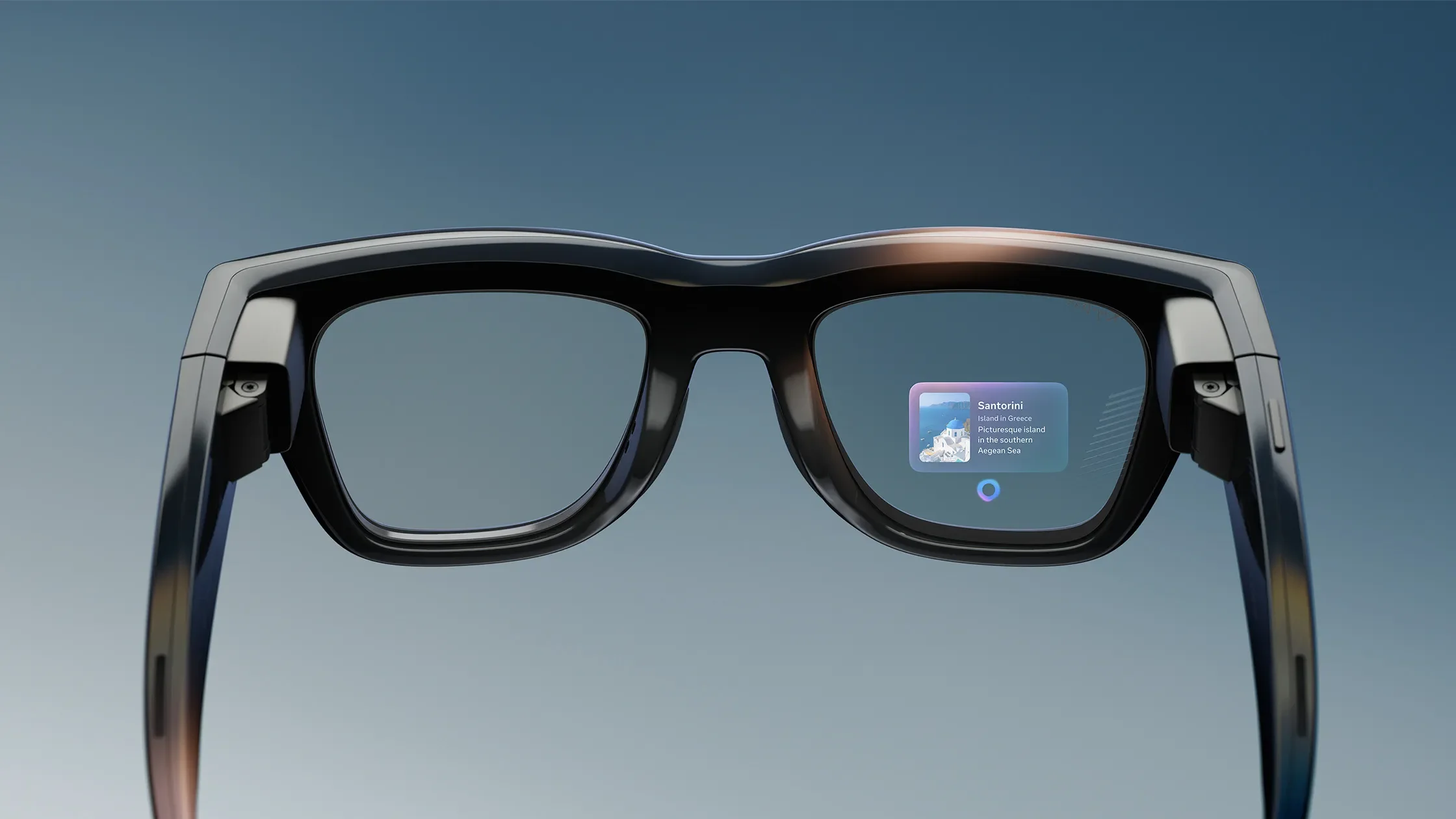
Three facts hurt. Weight: according to Kuo, the Apple Glasses would weigh between 120 and 130 grams compared to 70 for the Meta Display. Display: the first-generation model lacks one; the top Meta model has it. Distribution: Meta already has an installed base, retail presence in Best Buy and Sunglass Hut, and a year and a half of iteration on a real product.
Apple compensates with native integration to the iPhone, a base of over a billion active iPhones, real build quality with in-house acetate, and the strategy Gurman calls laying out the carpet: announcing before the 2026 holiday shopping to freeze Apple buyers who were about to choose Meta. If it works, it turns "I have an iPhone, I'll buy a wearable" into "I have an iPhone, I'll wait for the Apple Glasses."
The CEO change reinforces the timing. Ternus takes over on September 1, and his first job outside of Apple was designing VR headsets in the late 90s. That the first new category product under his leadership is a head-worn wearable is no accident.
Conclusion
The Apple Glasses are the sensible move after the Vision Pro slip. Instead of pushing another future category that the market wasn't asking for, Apple agrees to enter an existing category that a competitor has already validated. That guarantees nothing. Apple arrives heavier, without a display, a year and a half later than Meta, and success hinges on Apple Intelligence finally being up to par by 2027. If it is, Apple Glasses could be the next AirPods. If not, they're the Vision Pro again—but this time with a competitor that already holds the pole position.
Apple Glasses
Anteojos inteligentes de primera generación de Apple, próximos a lanzarse en 2027. Codename interno N50/N401. Sin display y sin AR, diseñados como accesorio del iPhone con cámaras, audio open-ear y Siri Visual Intelligence. Cuatro estilos en testing y construcción en acetato in-house.
✓ Pros
- Acetato in-house en lugar de partnership con tercero
- Cuatro estilos distintos para cubrir múltiples perfiles desde el lanzamiento
- Integración nativa con iPhone, Siri y Apple Intelligence
- LED indicador en cámaras como respuesta a las críticas de privacidad de Meta
✕ Cons
- Sin display ni AR en la primera generación
- Peso estimado entre 120 y 130 g, casi el doble que el Meta Ray-Ban Display
- Llega un año y medio después del Meta Ray-Ban Display
- Depende de que Apple Intelligence finalmente funcione para 2027
Information based on official specs. The author has not had physical access to the product for this report.
Comments (2)
You might also like

iPhone 18 Pro: The Four Colors Leaked and Apple Now Producing the Variable Aperture Camera
Apple has started production of the variable aperture camera for the iPhone 18 Pro, and its four colors have been leaked, with Dark Cherry taking the lead.
17 April 2026
iPhone 17: design changes, colors, and hardware improvements
Apple renews its base model with Pro features: 120Hz ProMotion display, A19 Bionic chip, and new 48MP cameras. All about the iPhone 17.
16 August 2025

iPhone Air: the Lightness Revolution
We analyze the new iPhone Air. Apple redefines portability with aeroluminum, the A19 Bionic Air chip, and surprising autonomy in an ultrathin body.
21 September 2025